
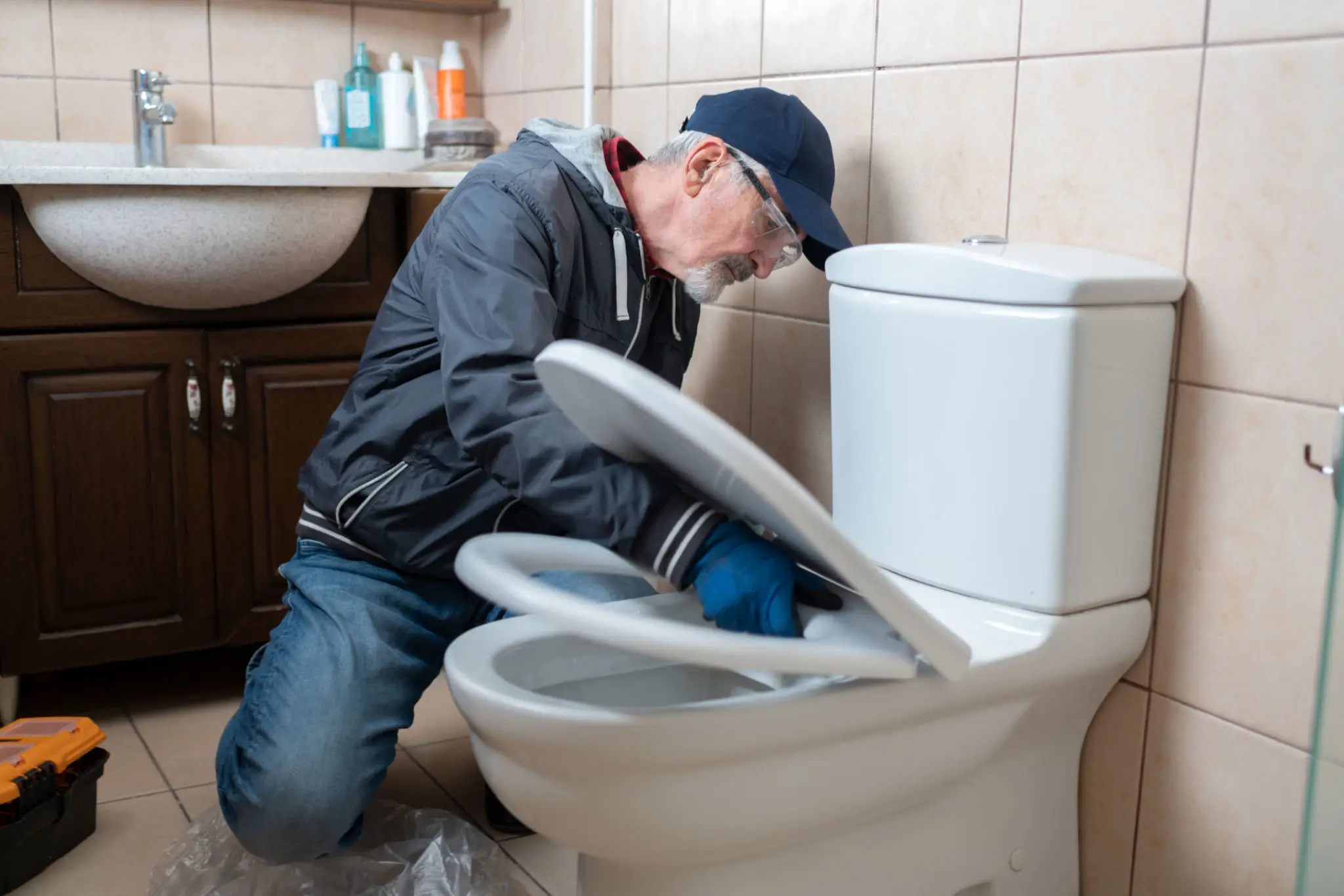
Toilet Making Running Noises? Time to Replace the Flapper
A running toilet can be more than just an annoying background noise; it can lead to significant water waste and higher utility bills. Often, the culprit is a simple, inexpensive component: the toilet flapper.
Here is a quick guide to diagnosing the issue and performing a DIY replacement.
1. Diagnosing the Leak
Before you take anything apart, confirm that the flapper is actually the problem. Look for these common signs:
- The “Ghost Flush”: You hear the toilet suddenly start refilling for a few seconds, even though no one has used it. This happens because water is slowly leaking out of the tank, triggering the fill valve.
- The Trickle Sound: A constant hissing or trickling sound coming from the tank.
- The Dye Test: Drop a few drops of food coloring into the toilet tank (not the bowl). Wait 15–20 minutes without flushing. If the color appears in the bowl, your flapper isn’t sealing properly.
2. Preparation: Turning Off the Water
Safety and cleanliness come first. You must isolate the toilet from the main water supply:
- Locate the shut-off valve (usually a silver oval handle) on the wall or floor behind the toilet.
- Turn the valve clockwise until it stops.
- Flush the toilet and hold the handle down to drain as much water as possible from the tank.
3. The Replacement Process
Once the tank is mostly empty, you can swap out the old part:
- Remove the Old Flapper: Unhook the small chain from the flush lever arm. Then, pull the “ears” of the flapper off the pegs on the sides of the flush valve tube.
- Clean the Seat: Take a cloth and wipe the rim of the flush valve (the hole where the flapper sits). Mineral deposits or slime can prevent even a brand-new flapper from sealing.
- Install the New Flapper: Slide the new flapper’s ears onto the pegs. Reattach the chain to the flush lever.
- Adjust the Chain: Ensure there is just a little bit of slack in the chain when the flapper is closed. If it’s too tight, it will pull the flapper open; if it’s too loose, it may get caught under the flapper.
4. Testing the Seal
Turn the water valve back on and let the tank fill. Listen closely and perform another dye test if you want to be certain.
When to Call the Pros
While a flapper replacement is a common DIY task, plumbing systems can sometimes be temperamental. If you notice the flush valve seat is cracked, the fill valve is malfunctioning, or if the leaking persists despite a new flapper, it’s time to bring in an expert.
For residents in Arkansas, EPCO Plumbing provides professional, reliable service to handle everything from minor leaks to major pipe repairs. If you encounter any issues during your DIY project, don’t hesitate to give them a call to ensure your home’s plumbing is functioning perfectly.